


Refilling a water tank is a minor task until it needs to be done several times a day. In a busy household, office or shared kitchen, the repeated lifting, filling and waiting can undermine the convenience of the appliance itself. A direct piping water dispenser connects to the incoming water supply, allowing users to dispense treated water without monitoring a refill tank.
That continuous supply can be extremely useful, but it also changes the nature of the installation. The dispenser becomes part of the property’s plumbing and needs appropriate pressure, isolation, leak protection and maintenance access.
High Use Is Where Direct Connection Adds Value
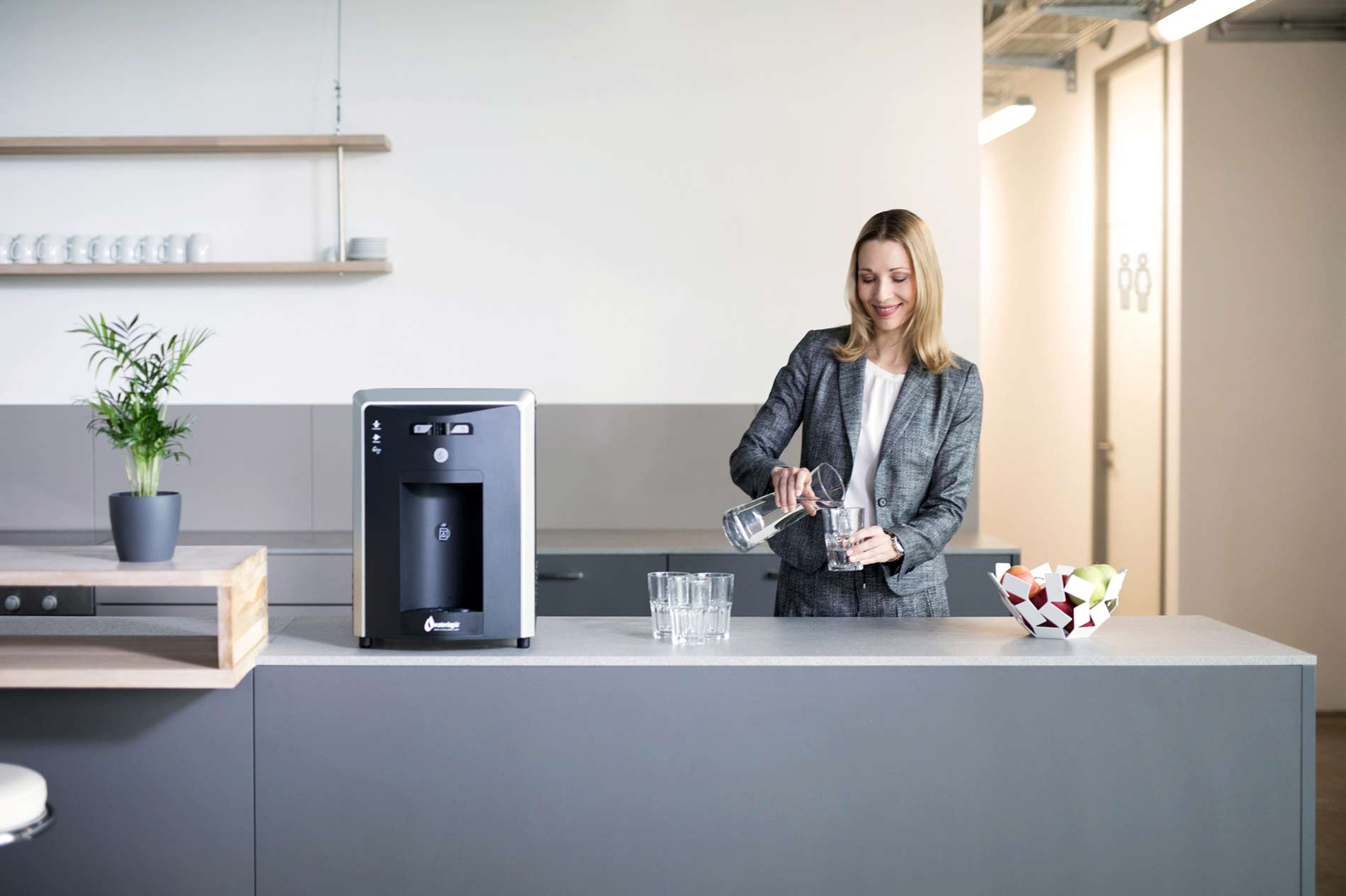
A plumbed-in system makes the most sense where water is used regularly by several people. Offices, larger families and shared kitchens can quickly empty a manually filled tank, particularly when the dispenser provides both drinking and hot water.
Continuous supply removes the risk of someone discovering an empty appliance just when it is needed. It can also reduce handling for users who find lifting water containers difficult.
For a lightly used appliance, the additional installation may not be necessary. A refillable unit can remain easier to move and may involve fewer parts. The decision should be based on real daily demand rather than the assumption that permanent connection is automatically more advanced.
Installation Needs More Than a Nearby Tap
The water line must be routed safely from a suitable supply point to the appliance. Tubing should not be exposed to heat, crushed behind cabinets or stretched across areas where it can be damaged.
Water pressure needs to fall within the range specified for the machine. Low pressure can reduce flow, while high pressure may place unnecessary strain on fittings and internal components. A regulator or booster may be required in some properties.
The electrical connection also needs care. The socket should be properly positioned and should not rely on an extension lead running close to water.
Installation is easier when maintenance has been considered from the start. Filters, valves and service panels need enough surrounding space to be reached later.
Leak Protection Is Essential
A refillable tank can spill, but a permanent water connection can continue supplying water when a fitting fails. That makes leak prevention one of the most important parts of the installation.
High-quality tubing and secure connectors should be used throughout. Pipes must be cut cleanly and fitted without severe bends.
An accessible isolation valve allows the supply to be shut off quickly during maintenance or an emergency. Everyone responsible for the property should know where it is located.
Leak sensors and automatic shut-off devices can provide additional protection, particularly in offices that are empty overnight or homes left unoccupied during travel.
The connections should be inspected after installation and again once the appliance has been operating normally. Small leaks may develop slowly and remain hidden behind cabinets.
Maintenance Must Remain Practical
A direct-connected system still relies on filters, internal valves and other components that require attention.
Replacement intervals may depend on water quality and usage. High-use settings can reach the recommended volume long before the calendar replacement date.
Records are useful in offices and shared properties because they prevent responsibility from becoming unclear. One person should monitor warning indicators, arrange servicing and record filter changes.
When the appliance is shut down for an extended period, the water supply and restart process should follow the manufacturer’s guidance.
A plumbed-in dispenser can remove a repetitive household or workplace chore, but only when the connection has been planned as carefully as the appliance. Correct pressure, accessible valves and reliable servicing turn continuous water supply into a genuine convenience rather than a hidden plumbing risk.
Comments are closed.