

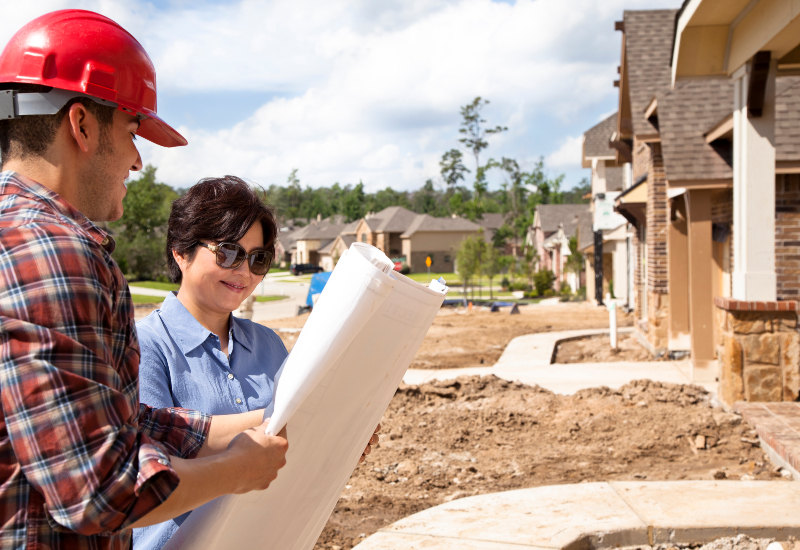
Building a house in Thailand is a large financial commitment. The builder you hire affects the quality, safety and cost of your home for decades. Research carefully before you sign anything.
You can start by learning how established builders present themselves. A website such as https://hauserhomebuilder.com/ shows the type of information a builder should share openly, including past projects, services offered and clear contact details. Use examples like this as a benchmark when you compare companies.
Next, build a shortlist of three to five builders. Ask friends, neighbours and local property owners for recommendations. Then assess each company against the points below.
Check Licences and Registration
Confirm the company is registered with the Department of Business Development. Ask for the names of the engineers and architects on your project, and verify their licences with the Council of Engineers Thailand and the Architect Council of Thailand. Most homes need structural drawings signed by a licensed engineer before the local municipality or Or Bor Tor will issue a building permit.
Understand Local Conditions
Thailand’s climate places specific demands on a house. Your builder should plan for heavy monsoon rain, high humidity and strong sun. Ask how they handle drainage, roof overhangs, waterproofing and termite protection. In Bangkok and the central plains, soft clay soil often requires deep piling. A builder with local experience will raise these points without prompting.
Review Past Work
Visit completed homes if possible. Inspect wall finishes, tiling, door frames and roof lines. Speak with previous clients about timelines, communication and how the builder handled problems. Photos can hide defects. A site visit cannot.
Get Detailed Quotes
Request written quotes based on the same set of drawings. Compare what each price includes: materials, brands, electrical and plumbing work, permits and VAT. A low quote may leave out items that return later as extra costs. Ask for a bill of quantities so you can compare line by line.
Read the Contract Carefully
A clear contract protects both parties. It should list:
- Start and completion dates
- Payment instalments linked to construction stages
- Material specifications
- Penalties for delays
- Warranty terms for structure and finishes
Avoid paying large sums upfront. Staged payments tied to completed work are standard practice in Thailand. Foreign buyers should have a Thai-speaking lawyer review the contract and confirm that the land lease or ownership structure is legally sound.
Ask About Site Supervision
Find out who will manage the site each day. Larger firms often assign a site engineer, while smaller builders may rely on a foreman. Consider hiring an independent inspector to check foundations, structure and roofing at each stage.
Plan for Aftercare
Cracks, leaks and settling can appear months after handover. Thai law holds contractors responsible for certain defects after delivery, but your contract should state the warranty period and the repair process clearly.
Choosing a builder takes patience. Check credentials, inspect real projects, compare quotes fairly and read every clause. These steps reduce risk and help you get a home built to suit Thailand’s conditions.
Comments are closed.