

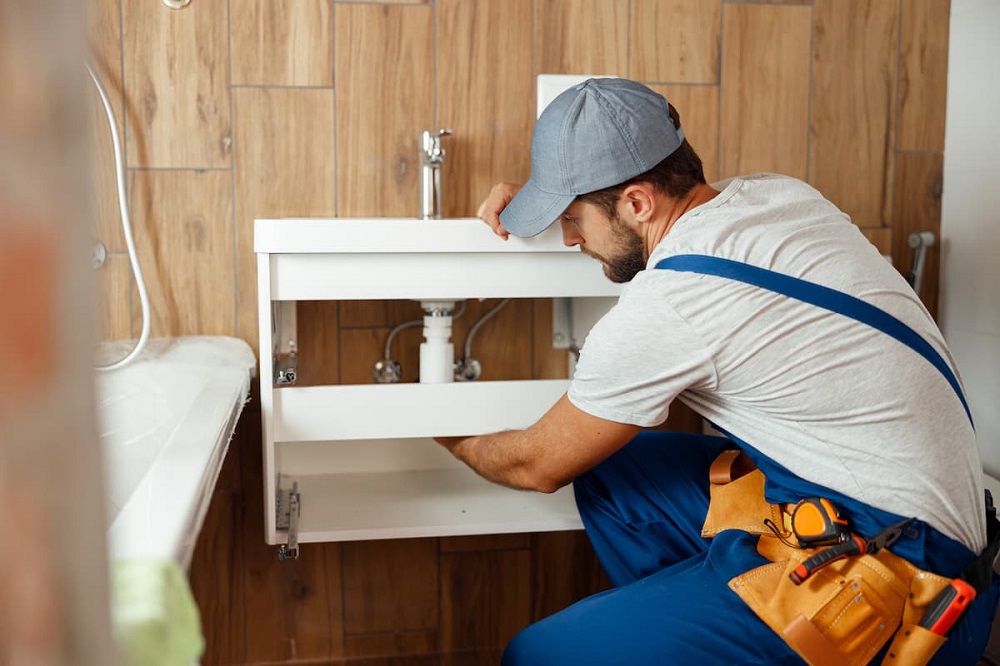
Selecting plumbing fixtures is a pivotal stage in any home construction or remodeling project. Faucets, showerheads, sinks, and toilets serve a dual role: they are fundamental utility components that dictate daily water efficiency, and they function as visual elements that define the aesthetic of kitchens and bathrooms.
Choosing the right fixtures requires balancing personal taste with technical compatibility, long-term durability, and environmental efficiency. A mismatch in pipe connections, finish durability, or water pressure requirements can quickly turn a quick renovation into an expensive plumbing headache. Understanding materials, mounting configurations, and functional features ensures you select fixtures that look beautiful and perform reliably for decades.
Aligning Style with Architectural Context
Plumbing fixtures act as functional accent pieces within a room. To build a cohesive design scheme, select styles that complement the surrounding architecture and interior finishes.
Identifying Your Design Aesthetic
Start by defining the overarching visual language of your space before evaluating individual products.
-
Traditional: Traditional fixtures feature curved spouts, intricate step details, and classic cross-style handles. Finishes like polished nickel, oil-rubbed bronze, and antique brass fit seamlessly into Victorian, Craftsman, or classic farmhouse styles.
-
Modern and Minimalist: Modern design emphasizes geometric lines, right angles, and sleek, handleless or single-lever operations. Matte black, polished chrome, and brushed stainless steel provide clean, understated focal points in contemporary settings.
-
Transitional: Blending elements from both traditional and modern palettes, transitional fixtures offer soft curves paired with clean profiles. Brushed nickel and warm bronze finishes make transitional pieces versatile enough to adapt to evolving decor over time.
Coordinating Finishes Across the Space
While matching all metal finishes across a bathroom or kitchen creates clean visual harmony, intentionally mixing metals can add rich contrast if executed correctly.
-
The Single-Finish Strategy: Using the exact same finish for faucets, shower valves, towel bars, and cabinet hardware guarantees a seamless look.
-
Mixing Metals Intentionally: Limit mixed metals to two complementary finishes within a single room. Pair a dominant metal, such as matte black for large fixtures, with an accent metal, such as brushed brass for mirror frames and cabinet handles. Avoid mixing metals with similar tones that look like an accidental mismatch, such as bright silver chrome and dull brushed nickel.
Evaluating Material Quality, Valves, and Finish Durability
The internal construction of a fixture is just as critical as its exterior appearance. High-quality internal mechanisms prevent leaks, dripping spouts, and premature surface degradation.
Solid Brass and Metal Construction versus Plastic
Fixtures may look identical on a showroom display, but their weight and internal components reveal their true durability.
-
Solid Brass: Considered the gold standard for plumbing fixtures, solid brass resists corrosion, handles high water temperatures effortlessly, and provides a sturdy structural body that lasts for decades.
-
Stainless Steel: Highly durable and naturally resistant to rust, solid stainless steel is a popular, robust choice for heavy-use kitchen faucets and commercial-grade shower systems.
-
Plastics and Zinc Alloys: Lower-cost fixtures often use plastic cartridges, lightweight zinc alloy bodies, or chrome-plated plastic components. While budget-friendly initially, these materials wear down quickly under daily pressure and are prone to internal cracking.
The Role of Ceramic Disc Valves
The internal valve controls water flow and temperature blending. Older fixtures relied on rubber washers or compression cartridges that wore down and caused persistent leaks.
-
Ceramic Disc Cartridges: Modern, high-end faucets utilize two rotating ceramic discs to regulate water flow. Ceramic is nearly as hard as diamonds, highly resistant to friction, and virtually impervious to mineral buildup, virtually eliminating drips and seal maintenance.
Physical Vapor Deposition (PVD) Finishes
Advanced surface treatments drastically improve finish longevity. Physical Vapor Deposition (PVD) is a manufacturing process that bonds the finish layer directly to the metal substrate at a molecular level.
-
Scratch and Tarnish Resistance: PVD finishes resist scratching, tarnishing, corrosion, and chemical discoloration far better than traditional electroplated finishes. If longevity is a top priority, look for PVD-treated brass, gold, or nickel options.
Kitchen Fixture Considerations: Functionality Meets Heavy Use
Kitchen faucets and sinks endure some of the highest daily traffic in the home. Selecting features that optimize prep work and cleanup streamlines daily meal preparation.
Faucet Configurations and Mounting
-
Pull-Down and Pull-Out Sprayers: Pull-down faucets feature a high-arc spout with an integrated spray head that pulls directly down into the sink basin, making them ideal for filling deep stockpots. Pull-out sprayers feature a shorter spout that pulls forward, making them suited for smaller sinks or installations with low overhead cabinets.
-
Touchless and Motion-Sensor Technology: Faucets equipped with motion sensors or touch-activated spouts allow you to turn on water with dirty hands, keeping handles clean and reducing household cross-contamination.
-
Commercial Pre-Rinse Faucets: Featuring an exposed spring spout and high-pressure spray nozzle, these heavy-duty units bring industrial performance and professional restaurant styling into residential kitchens.
Sink Material and Mounting Types
-
Undermount Sinks: Mounted beneath the countertop cutout, undermount sinks create a seamless transition that allows you to wipe food scraps directly off the counter into the basin. They require solid surface counter materials like granite or quartz.
-
Drop-In (Top-Mount) Sinks: Featuring a visible rim that rests directly on top of the counter surface, drop-in sinks work with all countertop materials, including laminate, and are easier to install.
-
Apron-Front (Farmhouse) Sinks: Characterized by a deep, exposed front panel, apron-front sinks offer vast basin volume for large cookware while bringing classic architectural charm to the kitchen.
Bathroom Fixture Considerations: Water Conservation and Ergonomics
Bathroom spaces benefit greatly from fixtures engineered to conserve water without compromising user comfort or water pressure.
High-Efficiency Toilets
Toilets represent a major portion of indoor residential water consumption.
-
WaterSense Certification: Look for toilets bearing the WaterSense label, which indicates they use a maximum of 1.28 gallons per flush (GPF) compared to older 3.5 or 1.6 GPF models. This standard saves thousands of gallons of water annually per household.
-
Dual-Flush Options: Dual-flush mechanisms offer two options: a reduced flush for liquid waste (typically 0.8 to 1.0 GPF) and a full flush for solid waste (1.28 to 1.6 GPF).
-
Bowl Shape and Height: Elongated toilet bowls offer added comfort and support, while compact round bowls save floor space in small powder rooms. Chair-height (comfort height) toilets sit 17 to 19 inches off the floor, making sitting and standing noticeably easier for adults and those with mobility limitations.
Shower Heads and Valve Systems
-
Thermostatic Valves: Unlike standard pressure-balance valves, thermostatic mixing valves regulate both water pressure and exact water temperature independently. They prevent sudden temperature spikes when other appliances flush or run water elsewhere in the house.
-
Low-Flow Shower Heads: Advanced low-flow shower heads use aeration technology to mix air with water, creating a full, high-pressure spray feel while consuming less than 1.75 to 2.0 gallons per minute (GPM).
Technical Compatibility and Professional Installation Factors
Before purchasing plumbing hardware based solely on aesthetics, verify that the physical specifications match your home’s existing plumbing layout.
-
Sink Hole Spacing: Faucets come in single-hole, 4-inch centerset, or 8-inch widespread configurations. Ensure your faucet choice matches the pre-drilled holes in your sink or countertop.
-
Rough-In Measurements: Toilets feature standard rough-in distances (the distance from the wall to the center of the floor drain outlet) of 12 inches, though 10-inch and 14-inch rough-ins exist in older homes. Measure carefully before ordering.
-
Water Pressure Requirements: High-end rain shower heads and multi-jet shower systems require higher household water pressure (often 40 to 60 PSI) and larger supply lines (0.75-inch pipes rather than standard 0.5-inch lines) to function correctly.
Frequently Asked Questions
What is the most durable finish for kitchen and bathroom faucets?
Brushed stainless steel and PVD (Physical Vapor Deposition) brass or nickel are among the most durable finishes available. PVD coatings bond to the metal at a molecular level, offering exceptional resistance to scratches, corrosion, water spots, and harsh chemical cleaners.
How do I measure faucet hole spacing correctly?
Measure the distance from the center of the far-left pre-drilled hole to the center of the far-right pre-drilled hole on your sink deck or countertop. A 4-inch distance indicates a centerset faucet requirement, while an 8-inch distance requires a widespread faucet set.
What is the difference between a pressure-balance shower valve and a thermostatic shower valve?
A pressure-balance valve regulates water temperature by balancing the ratio of hot and cold water pressure, but it uses a single handle to adjust both volume and temperature together. A thermostatic valve allows you to set precise water temperature and flow volume independently using separate controls, maintaining consistent heat even if water pressure fluctuates elsewhere in the home.
Can I replace a drop-in sink with an undermount sink without changing the countertop?
Replacing a drop-in sink with an undermount sink usually requires modifying or replacing the countertop. Undermount sinks require a precisely polished countertop edge around the sink opening and solid mounting support underneath, which existing drop-in cutouts rarely accommodate.
Do water-saving low-flow shower heads feel weak or low-pressure?
Modern high-quality low-flow shower heads do not feel weak. They utilize advanced aeration technology or specialized spray nozzle geometry to mix air into the water stream or concentrate water droplets, delivering a full, satisfying shower feel while using significantly less water per minute.
What causes a brand-new faucet to have low water flow right after installation?
The most common cause of low water flow in a newly installed faucet is construction debris, sand, or mineral scale trapped inside the tiny mesh aerator at the tip of the spout. Unscrewing the aerator by hand, rinsing the mesh under clean water, and screwing it back on typically restores full water pressure immediately.
Why is it important to check the toilet rough-in measurement before buying a replacement?
The rough-in measurement dictates the distance between the wall and the floor waste pipe. Buying a toilet with a 12-inch rough-in for a bathroom wired with a 10-inch rough-in means the toilet will not fit against the waste pipe or wall without major, costly floor plumbing relocations.
Comments are closed.