

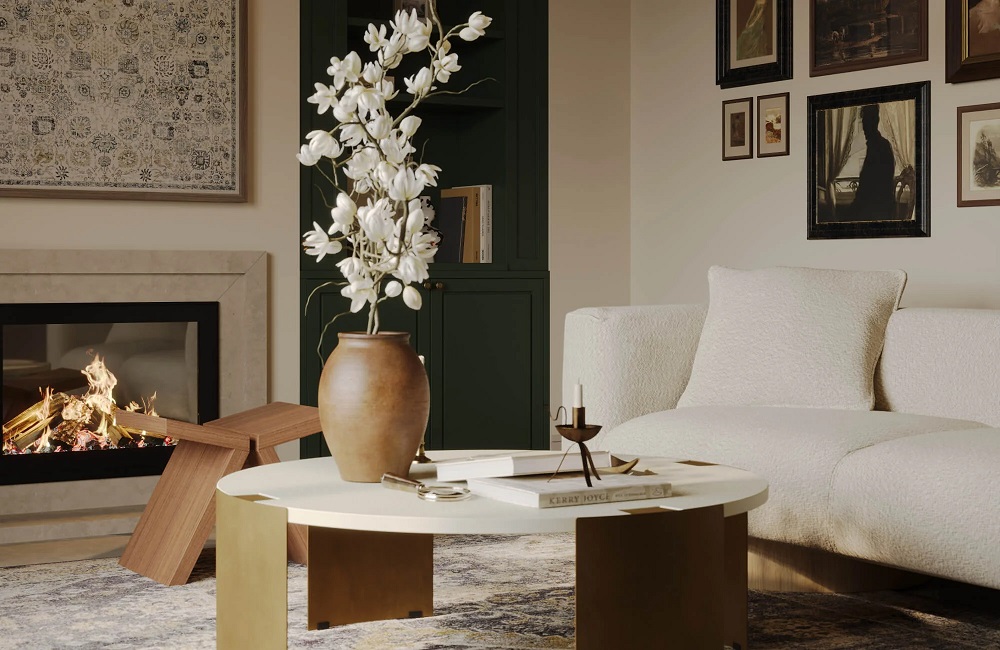
Decorative cushions are among the most effective, accessible tools for transforming a interior space. While larger furniture pieces establish a room’s foundational architecture, throw pillows introduce texture, depth, and personality. However, styling cushions successfully requires a thoughtful approach to proportion, scale, color theory, and material composition. Without a clear strategy, a collection of pillows can quickly make a seating area look chaotic or cluttered rather than intentionally designed.
Achieving a balanced look involves understanding how individual elements interact with your existing furniture and overarching decor scheme. By applying specific design principles, you can curate a cohesive, inviting arrangement that elevates your home aesthetics.
The Fundamentals of Scale, Proportion, and Arrangement
Before selecting fabrics or patterns, it is critical to consider the scale of your furniture and the arrangement strategy that best fits your design goals.
Sizing Cushions Relative to Furniture
A common mistake in home styling is choosing cushions that are disproportionate to the seating area. Excessively small pillows get lost on large sectional sofas, while oversized cushions overwhelm compact loveseats or accent chairs.
-
Standard Sofas: A classic 20-inch or 22-inch square cushion serves as an ideal baseline for standard three-seater sofas. Combining these with 18-inch square cushions creates a natural visual transition.
-
Large Sectionals: Scale up to 22-inch or 24-inch square foundation pillows to anchor the deeper corners of the sectional, layering smaller sizes forward.
-
Accent Chairs: Single armchairs generally require only one accent piece. A single 18-inch square cushion or a lumbar pillow measuring 12 by 20 inches provides comfort and style without crowding the seat.
Symmetrical versus Asymmetrical Layouts
The arrangement style directly influences the mood of the room.
-
Symmetrical Arrangements: Mirroring cushion placement on both sides of a sofa delivers a formal, ordered appearance. This approach works exceptionally well in traditional or modern minimalist spaces where balance and symmetry are primary design pillars. A classic setup includes two identical large cushions on the outer edges, followed by two matching smaller cushions offset toward the center.
-
Asymmetrical Arrangements: Grouping cushions in odd numbers, such as three or five, offers a more relaxed, modern aesthetic. An asymmetrical setup feels curated over time rather than overly engineered. To execute this, place a group of three cushions on one side of the sofa and a contrasting group of two on the opposite side, ensuring the total visual weight remains equal across both ends.
Mastering Color Schemes and Pattern Integration
Color and pattern are the primary drivers of visual interest in pillow styling. Successfully blending these elements requires a structured formula to prevent visual conflict.
Establishing a Cohesive Color Palette
Rather than picking random shades, base your cushion choices on an established color palette drawn from the room’s primary features, such as rugs, artwork, drapery, or accent walls.
-
The Anchor Color: Select one dominant shade that bridges the cushion arrangement with the largest upholstered piece or room feature.
-
Secondary Accents: Choose two complementary or analogous shades to add depth. For example, if your sofa is neutral beige, your anchor color might be deep navy, supported by secondary accents of rust orange and soft cream.
-
Monochromatic Depth: If you prefer a minimal or neutral aesthetic, stay within a single color family (such as gray or warm beige) and vary the tone, ranging from light ivory to charcoal, to maintain interest.
The Rule of Three for Patterns
Mixing patterns requires varying the scale of prints so they do not compete for attention. A reliable guideline is the Rule of Three:
-
Large-Scale Pattern: Choose one prominent design, such as a large floral, geometric, or botanical print. This should feature most or all of the colors in your chosen palette.
-
Medium-Scale Pattern: Pair the primary print with a medium-sized pattern, such as stripes, plaids, or smaller geometric motifs.
-
Solid or Textured Accent: Balance the active prints with a solid-colored pillow that relies on heavy texture, such as woven wool or velvet, to ground the group.
Fabric Selection, Texture Contrast, and Fill Quality
Visual variety goes beyond color and pattern. The tactile qualities of cushion covers and the quality of their inner pads significantly influence both comfort and appearance.
Layering Textures for Depth
A monochromatic or neutral cushion arrangement relies entirely on texture to avoid looking flat. Combining contrasting materials adds sophistication and tactile warmth.
-
Smooth and Matte: Linen and cotton offer clean, breathable, and matte finishes ideal for casual or Scandinavian-inspired rooms.
-
Rich and Plush: Velvet, chenille, and faux fur bring warmth, depth, and light-reflecting qualities suited for glamorous or traditional interiors.
-
Structured and Woven: Bouclé, tweed, and heavy jacquard introduce dimensional structure that grounds smoother fabrics.
When building an arrangement, aim to pair opposing textures: place a smooth silk or velvet cushion against a rustic wool throw, or layer a crisp linen pillow over a heavy leather couch.
The Importance of High-Quality Cushion Fills
The internal pad dictates how a cushion sits, holds its shape, and ages over time.
-
Feather and Down Inserts: Considered the industry standard for high-end styling, feather and down fills offer superior softness, longevity, and moldability. They allow for the classic center chop, a styling technique where the top center of the cushion is gently pressed down to create an inviting, lived-in crease.
-
Polyester and Microfiber Inserts: Poly-fill inserts retain a firm, rigid shape and do not flatten easily. While low maintenance, they lack the soft drape and moldability of feather fills and cannot hold a center crease.
For optimal fullness, designer styling often utilizes an insert that is two inches larger than the cushion cover. For instance, pair a 20-inch cushion cover with a 22-inch feather insert to ensure plump corners and a firm profile.
Adapting Styles to Different Room Contexts
Different living spaces require tailored approaches depending on functional requirements and existing architecture.
Living Room Styling
In the primary living zone, durability meets aesthetics. Since sofas handle high daily traffic, choose removable, washable covers with sturdy hidden zippers. Keep the center of the sofa relatively open to preserve comfortable seating space, concentrating larger groupings at the outer corners.
Bedroom Cushion Layering
Bed styling allows for taller, layered arrangements that create a luxurious hotel-inspired focal point.
-
King and Queen Beds: Begin with large standard pillows or European shams resting against the headboard as a backdrop. Layer two standard decorative square cushions in front, finishing with a single accent lumbar pillow in the very front center.
-
Daybeds: Because daybeds are deep, line the back wall with large, firm 24-inch cushions to simulate a traditional sofa back, layering smaller decorative pillows forward for comfort.
Frequently Asked Questions
How do I know if I have too many cushions on my sofa?
A reliable functional rule is that cushions should not occupy more than one-third of the total seating surface. If guests must move pillows onto the floor or sit on the edge of the cushions to find a comfortable seat, the arrangement is overcrowded.
Can I mix metal zipper accents with different fabric types?
Exposed metal zippers add an industrial or modern touch to cushion covers. They work exceptionally well when paired with heavy, structured fabrics like leather, canvas, or wool, but may snag delicate materials such as silk or thin knits if layered directly against them.
What cushion shapes work best for people who need extra lower back support?
Lumbar cushions, which are rectangular and typically measure between 12 by 20 inches or 14 by 22 inches, are engineered specifically to support the lower spine. Placing a lumbar pillow in the center of an armchair or as the front accent piece on a deep sofa provides both ergonomic comfort and visual variety.
How often should cushion inserts be replaced to maintain their shape?
The lifespan of an insert depends on the fill material and frequency of use. High-quality feather inserts can last 5 to 10 years with regular fluffing and occasional airing, whereas synthetic polyester inserts generally need replacement every 1 to 2 years as the fibers compress and become lumpy.
Is it necessary to match throw pillows with throw blankets?
Matching pillows and blankets exactly can result in a flat, overly staged look. It is better to coordinate rather than match. If your cushion arrangement is heavily patterned, choose a solid-colored throw blanket that picks up one of the minor accent shades in the pillows.
How do I select cushions for a patterned or brightly colored sofa?
When styling a sofa that already features a bold color or busy pattern, stick to solid cushions or subtle, low-contrast textures. Select cushion shades that are slightly lighter or darker than the sofa fabric to create soft contrast without introducing competing visual elements.
What is the best way to clean and maintain delicate decorative cushion covers?
Always inspect the interior care label, as materials like velvet, silk, or heavily embroidered fabrics usually require dry cleaning or gentle spot cleaning. For washable covers, turn them inside out, zip them closed, and launder on a delicate cycle in cold water using a mild detergent, then air dry flat to prevent shrinkage.
Comments are closed.