

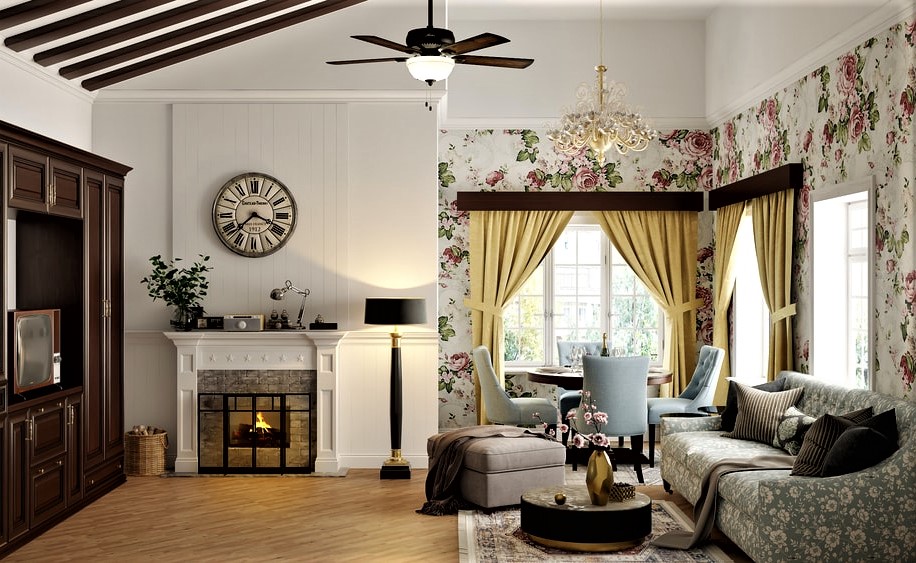
Achieving an elegant interior does not depend solely on acquiring expensive, high-end pieces. True elegance stems from intentional curation, balanced spatial arrangements, thoughtful color palettes, and a deep understanding of how individual elements interact within a room. When styled effectively, furniture defines the visual architecture of your home, creating spaces that feel refined, harmonious, and inviting.
Whether you are designing a brand-new space or refreshing an existing floor plan, incorporating classic design principles allows you to transform ordinary rooms into sophisticated sanctuaries. By focusing on proportion, material contrast, and focal points, you can style your home with lasting grace and understated luxury.
Establishing Architectural Anchors and Focal Points
Every elegant room requires a clear visual center that anchors the eye upon entering. Without a designated focal point, furniture arrangements often feel scattered and directionless.
Identifying and Framing Primary Anchors
Start by assessing the natural architecture of the space. Architectural features such as fireplaces, large bay windows, or exposed brick walls serve as ideal natural anchors.
-
Fireplace Positioning: Flank a central fireplace with a pair of tailored armchairs or low-profile sofas to frame the hearth naturally, reinforcing symmetry and warmth.
-
Window Orientation: Arrange low-backed seating near floor-to-ceiling windows to maintain unobstructed natural light and expansive views while creating a dedicated conversation nook.
-
Feature Walls: If your room lacks strong architectural features, create an anchor using a statement piece, such as an upholstered headboard, an oversized credenza, or a large-scale artwork gallery placed directly behind a main sofa.
Scale and Proportion in Furniture Placement
Elegance relies heavily on correct scale. Furniture that is too large makes a room feel claustrophobic, while undersized pieces create a floating, disconnected look.
-
Maintain Clear Traffic Pathways: Leave at least 30 to 36 inches of walkway space between major furniture pieces to promote smooth movement throughout the room.
-
Balancing Heights: Vary the heights of your furniture to maintain visual interest. Pair a low-slung, contemporary sofa with tall, slim floor lamps or an armoire to draw the eye upward and accentuate ceiling height.
Mastering Material Layers and Tactile Contrasts
To make a room feel sophisticated rather than flat or sterile, combine diverse textures and high-quality materials. Layering textures creates rich visual complexity while maintaining a cohesive, curated atmosphere.
Pairing Wood, Metal, and Stone
Monochromatic or single-material rooms often lack depth. Combining natural organic elements with polished industrial finishes introduces timeless contrast.
-
Rich Hardwoods: Incorporate classic woods like walnut, oak, or mahogany through coffee tables, sideboards, or exposed chair legs. Darker wood tones tend to lend a sense of history and permanence to modern spaces.
-
Refined Metals: Introduce brushed brass, polished nickel, or warm bronze through table bases, cabinet hardware, and light fixtures. Stick to one dominant metal finish, using a secondary metal sparingly as an accent.
-
Natural Stone Accents: Marble, travertine, and quartz surfaces bring cooling elegance to living rooms and entryways. A marble-topped console table or a travertine coffee table offers a luxurious, tactile surface that balances soft upholstery.
Incorporating Upholstery and Textiles
Soft furnishings soften hard architectural lines and ground the seating arrangement.
-
Velvet and Mohair: These plush, light-reflecting fabrics introduce immediate glamour and depth to accent chairs or throw pillows.
-
Linen and Cotton Blends: Breathable, tailored linen weaves provide clean lines and a refined, casual elegance suited for main sofas and window drapes.
-
Leather Highlights: Aged or full-grain leather armchairs introduce warmth, structural structure, and an inviting, tactile patina that improves with age.
Creating Balanced Seating Arrangements for Conversation
An elegant room is fundamentally functional and welcoming. Furniture should be arranged to encourage social connection rather than simply facing a television screen.
The Power of Conversational Circles
In large living areas, group furniture into distinct functional zones rather than pushing pieces against walls.
-
Face-to-Face Layouts: Place two sofas directly opposite each other across a central coffee table to create an intimate, balanced conversation zone.
-
L-Shaped Configuration: Pair a main sofa with two facing accent chairs set at right angles. This open arrangement invites fluid interaction while keeping the room accessible.
-
Floating Furniture: Pull sofas and chairs several inches away from perimeter walls. Floating furniture creates shadow lines and gives the illusion of a larger, airier room.
Coffee Table Styling Techniques
The coffee table often sits at the visual center of a living space, making its styling pivotal to the room’s overall aesthetic.
-
Divide into Quadrants: Mentally divide the tabletop into three or four sections to organize decorative objects neatly.
-
Vary Object Heights: Pair flat, horizontal elements like art books with vertical items like tall glass vases, tapered candles, or sculptural bowls.
-
Incorporate Natural Elements: Finish the table styling with organic touches, such as fresh floral stems, dried branches, or a polished stone tray.
Dining Room and Entryway Elegance
Extending thoughtful furniture styling into secondary zones ensures a continuous, harmonious aesthetic throughout the entire home.
Styling the Sophisticated Dining Room
A well-styled dining room balances functional dining space with decorative elegance.
-
Table and Chair Combinations: Avoid buying identical dining sets straight off a showroom floor. Pair a classic wooden dining table with upholstered end chairs and sleek, minimalist side chairs to curate a custom, high-end feel.
-
Credenza Display: Style a dining room sideboard or buffet cabinet with a large wall mirror hung directly above, flanked by a pair of tall table lamps to create warm, ambient lighting during evening gatherings.
Creating an Inviting Entryway
The entryway establishes the initial impression of your home’s interior elegance.
-
The Anchor Console: Position a slim console table against the main entryway wall. Keep the tabletop clutter-free, styling it with an elegant catchall dish, a table lamp, and a tall ceramic vase.
-
Functional Seating: If space allows, place a sleek wooden bench or a pair of low ottomans beneath or alongside the console table to combine practical convenience with tailored styling.
Lighting Integration to Highlight Furniture Styling
Lighting plays a critical role in how furniture shapes, textures, and finishes are perceived. A well-designed interior uses layered lighting to highlight key pieces and establish mood.
-
Ambient Overhead Lighting: Use statement chandeliers or flush-mount fixtures as central jewelry for the room, drawing attention to main dining or living zones.
-
Task and Accent Lighting: Position floor lamps next to reading armchairs and place matching table lamps on side tables. Warm, dimmable lighting creates soft highlights on wood grain and fabric textures.
-
Sculptural Luminaires: Choose lamps with ceramic, glass, or brass bases that function as art pieces even when switched off during the day.
Frequently Asked Questions
How can I make a small room look elegant without overcrowding it?
Focus on selecting a few larger, high-quality scale pieces rather than filling the space with multiple small items. Use floating furniture techniques, choose legs that elevate sofas off the floor to create sightlines underneath, and incorporate large mirrors to reflect natural light and expand visual boundaries.
How do I blend modern furniture with traditional classic pieces?
The key to blending styles is maintaining a consistent color palette or wood tone across different eras. Pair a traditional ornate wooden table with sleek modern dining chairs, or place a contemporary geometric coffee table in front of a classic roll-arm sofa to create intentional, curated contrast.
What is the recommended distance between a sofa and a coffee table?
Leave approximately 14 to 18 inches between the edge of the sofa seat and the coffee table. This distance provides ample legroom for comfortable sitting while keeping drinks and decorative items within easy physical reach.
Should all wood tones in a room match perfectly?
No, matching every wood tone creates a flat, artificial showroom appearance. Mix wood tones intentionally by keeping the undertones consistent, pairing warm undertones like walnut and warm oak together, or cool undertones like ash and gray wood, while varying the light and dark shades for depth.
How do I choose the correct rug size to ground my furniture arrangement?
In a living room, the rug should be large enough so that at least the front legs of all major seating pieces rest securely on top of it. For dining rooms, choose a rug that extends at least 24 inches beyond all sides of the dining table so chairs remain on the rug even when pulled out.
What is the best way to style a large, blank living room wall behind a main sofa?
You can style a blank sofa wall using a single oversized piece of framed art, a symmetrical grid of matching picture frames, or a large architectural mirror. Ensure the art or mirror spans roughly two-thirds of the total sofa width to maintain correct visual proportions.
How can I style open shelving or bookcases to look clean rather than cluttered?
Follow a two-thirds rule by filling two-thirds of the shelf space with curated objects and leaving one-third completely empty as visual resting space. Alternate between vertical book stacks, horizontal book piles topped with small sculptural objects, and small framed prints or potted plants.
Comments are closed.