

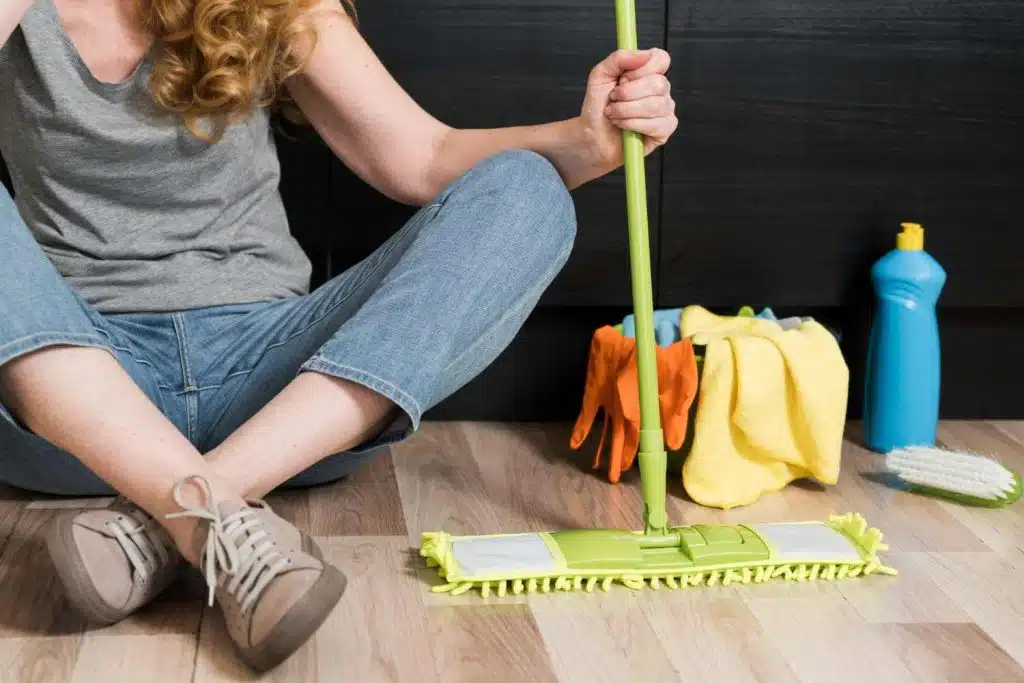
Professional cleaners walk into homes every day and spot the same well-intended but damaging cleaning habits. While DIY cleaning can save money, small mistakes repeated over time can ruin surfaces, spread bacteria, and actually make homes dirtier. Understanding what cleaners see most often helps you avoid costly repairs and get better results from your effort.
Using the Wrong Cleaner on the Wrong Surface
One of the most common mistakes is assuming one product cleans everything. Harsh chemicals may look powerful, but they often do more harm than good.
Cleaners frequently see damage caused by:
-
Bleach used on natural stone like marble or granite
-
Vinegar applied to hardwood floors
-
Abrasive powders scratched onto stainless steel or glass
Every surface has a recommended pH range. Ignoring it can lead to dullness, etching, or permanent discoloration.
Overusing Cleaning Products
More soap does not mean more clean. In fact, excess product leaves behind residue that attracts dirt faster.
Professional cleaners often find:
-
Sticky floors from too much detergent
-
Cloudy mirrors and windows
-
Bathroom surfaces that feel greasy even after cleaning
Using the correct dilution improves results and reduces buildup over time.
Skipping High-Touch Areas
Many DIY cleaners focus on what looks dirty and forget what’s touched most often.
Frequently missed spots include:
-
Light switches
-
Door handles
-
Remote controls
-
Appliance buttons
-
Cabinet pulls
These areas can harbor more bacteria than toilets, according to what cleaners routinely observe during deep cleans.
Cleaning in the Wrong Order
Cleaning out of sequence wastes time and spreads dirt.
A common mistake is:
-
Vacuuming before dusting
-
Mopping before sweeping
-
Cleaning counters before wiping cabinets above them
Professional cleaners always work top to bottom and dry to wet, preventing recontamination.
Reusing Dirty Cleaning Tools
Sponges, mop heads, and cloths are often dirtier than the surfaces being cleaned.
Cleaners regularly encounter:
-
Sponges full of bacteria
-
Mop water that’s visibly gray
-
Rags used across multiple rooms without washing
Dirty tools spread germs and odors rather than removing them.
Ignoring Ventilation While Cleaning
Strong cleaning products release fumes that can irritate lungs and skin.
DIY cleaners often forget to:
-
Open windows
-
Turn on exhaust fans
-
Wear gloves when needed
Professional cleaners prioritize airflow to protect both health and indoor air quality.
Scrubbing Stains That Need Soaking
Aggressive scrubbing can damage surfaces while doing little to remove stains.
Cleaners know that many stains respond better to:
-
Time
-
Heat
-
Proper chemical reaction
Scrubbing too soon often pushes stains deeper instead of lifting them.
Forgetting Regular Deep Cleaning
Surface cleaning hides deeper problems.
Professionals often uncover:
-
Mold behind bathroom fixtures
-
Grease buildup above kitchen cabinets
-
Dust layers under appliances
Routine maintenance cleaning is important, but periodic deep cleaning prevents long-term damage.
How to Clean Smarter Like a Professional
You don’t need professional equipment to clean effectively. You need better habits.
Cleaner-approved tips include:
-
Read product labels carefully
-
Use microfiber cloths
-
Change mop water frequently
-
Let cleaners dwell before wiping
-
Clean tools as often as surfaces
Small adjustments can dramatically improve results.
FAQ
Why do professional cleaners avoid harsh chemicals?
Harsh chemicals can damage surfaces, leave residues, and create health risks when used improperly.
How often should cleaning tools be replaced?
Sponges should be replaced weekly, mop heads monthly, and microfiber cloths washed after each use.
Is natural cleaning always safer?
Not always. Natural products like vinegar can damage certain materials just as badly as chemical cleaners.
What’s the biggest mistake DIY cleaners make?
Using the wrong product on delicate surfaces is the most expensive and common error professionals see.
Can overcleaning cause damage?
Yes. Excessive scrubbing and frequent use of strong products can wear down finishes over time.
Do professional cleaners follow a specific system?
Yes. Most follow a structured approach that prioritizes efficiency, surface safety, and hygiene.
Is deep cleaning necessary if I clean weekly?
Weekly cleaning maintains appearance, but deep cleaning prevents hidden buildup and long-term damage.
Comments are closed.