

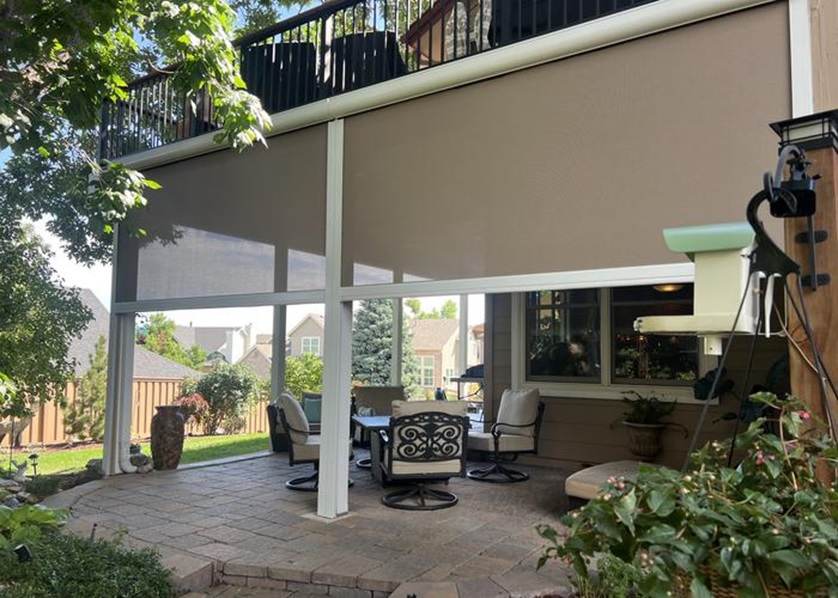
A motorized screen may look simple once it is operating. Press a button, the mesh lowers into place, and the opening gains adjustable coverage from glare, direct sunlight, and insects. The planning behind that movement is much more detailed.
Good motorized screen installation in Denver starts with the opening itself. Width and height matter, but installers also need to consider mounting surfaces, surrounding trim, nearby doors, electrical access, furniture, sun exposure, and the path the screen will follow as it moves. Getting those details straight before installation gives the finished system a cleaner fit and makes everyday operation more practical.
The Opening Needs More Than One Measurement
Patio, porch, garage, and outdoor living openings are not always perfectly uniform from top to bottom.
Columns may shift slightly. Trim may project into the opening. Flooring may slope for drainage. Older structures may also have small variations that are difficult to notice until accurate measurements are taken.
That is why installers measure the actual opening instead of choosing a screen from a standard width alone.
The Denver service page states that consultations include careful measurements around existing features before mesh, frames, housings, and controls are selected.
Those measurements establish the starting point for the entire project.
The Housing Needs a Logical Place to Sit
Retractable screens store inside an overhead housing when raised.
That housing needs sufficient room above the opening without interfering with beams, soffits, lights, trim, gutters, or other architectural features.
Its placement affects appearance too.
A housing that follows existing lines around the patio or porch tends to look more integrated than one positioned without regard for surrounding trim.
For current Denver screen options and local installation information, visit conservationscreensandawnings.com/locations/denver-co.
Side Tracks Need Clear Vertical Paths
The screen does not simply hang from the housing. Side tracks guide the material as it travels up and down.
Those tracks need usable mounting surfaces along both sides of the opening.
Columns, stone, siding, trim, switches, outlets, and decorative features may affect where the tracks sit. An opening framed by large columns presents a different installation from a garage door surrounded by narrow trim.
The installer needs to identify these conflicts before mounting begins.
Small placement decisions also influence how noticeable the tracks are when the screen is raised.
Nearby Doors Need Room to Operate
Outdoor spaces often contain several moving parts.
A patio door may swing outward beside the screen. A sliding door may need clear access. Garage doors, gates, cabinets, and storage areas may also sit close to the opening.
During motorized screen installation in Denver, the screen’s path should be planned around those everyday movements.
Imagine the space with the screen fully lowered.
People still need to enter and leave comfortably, furniture should remain usable, and nearby doors should operate normally. Planning around those routines is much easier before tracks and housings have been mounted.
Furniture Changes How the Opening Is Used
The dimensions of an opening tell only part of the story.
A dining table may sit near one side. A grill could occupy another section. Outdoor seating may face the view rather than the house.
These details influence where controls make sense and how people move through the screened area.
The Denver service page specifically notes furniture and surrounding features during project measurements.
That practical planning keeps the finished screen connected to the way the patio, deck, or porch is actually used instead of treating the opening as an empty rectangle.
Sun Direction Influences Screen Placement
Denver receives strong sunlight, but every opening experiences it differently.
Morning sun enters from a different angle than late-afternoon glare. An opening facing west may become uncomfortable later in the day while another side remains shaded by the structure.
Spend time in the space before the consultation and note when direct sunlight becomes most noticeable.
That information is useful when selecting screen placement and mesh.
The U.S. Department of Energy explains that exterior sunscreens and shades reduce unwanted solar heat gain before it passes through glazing. Its guidance on energy-efficient windows and exterior shading also notes that exterior sunscreens are one method for controlling unwanted solar gain.
Screens used around patios and outdoor openings serve a broader purpose than window attachments, but the same idea makes sun direction worth considering during planning.
Mesh Openness Changes the Experience
Not every screen fabric creates the same balance of shade, visibility, airflow, and privacy.
A more open mesh preserves a stronger visual connection to the surroundings. A denser material changes the amount of sunlight and visibility passing through the screen.
Think about which feature matters most in the space.
A deck with a mountain view may prioritize visibility. A west-facing dining area may place greater emphasis on glare reduction. A porch close to neighboring properties may have different privacy priorities.
The Denver service page states that mesh options vary in visibility, shade, airflow, privacy, and insect protection.
Selecting the material around the space’s actual use is more useful than choosing solely by appearance.
Electrical Access Belongs in the Initial Plan
Motorized operation requires power and controls.
Electrical access therefore needs to be discussed before installation begins rather than after the housing is mounted.
The location of outlets, wiring paths, switches, and nearby electrical features may influence where components are placed.
Controls also need to fit the way the screen will be used.
Remote controls and wall switches provide different everyday experiences, while compatible automation options may be available for some setups. The Denver page currently lists remote, wall-switch, and compatible automation options for motorized screens.
A clean installation considers the visible wiring and controls along with the screen itself.
Wind Exposure Matters Around Wide Openings
A large open patio or porch may experience stronger wind than a protected opening beside several walls.
That exposure matters because retractable screens are moving exterior products rather than permanent walls.
The Denver page advises users to follow wind precautions and review weather conditions before operating the system.
Look at which direction storms commonly reach the opening and how protected the space is by nearby walls, landscaping, or other structures.
This does not mean a screen should be designed as a wind barrier. It means local exposure belongs in the installation and operating conversation.
Cold Weather Changes How the System Should Be Used
Denver’s temperature changes also affect exterior moving components.
The current service page advises against operating a screen when tracks or fabric are frozen or when ice and debris have collected around moving parts. Components should be allowed to clear and warm naturally before normal operation resumes.
This is an important part of motorized screen installation in Denver because the project should include an operating walkthrough, not simply physical installation.
Knowing when to leave the system retracted is part of using it properly.
Garages Need Their Own Planning
Garage openings present a different setup from patios and porches.
The screen needs to work alongside the existing garage door system without interfering with tracks, sensors, lighting, storage, or overhead equipment.
The way the garage is used matters too.
Some spaces function as workshops, gyms, hobby areas, or gathering spaces when the main door is open. Furniture and equipment may sit much closer to the opening than they would on a patio.
Measurements need to reflect those features before the screen housing and tracks are positioned.
Commercial Openings Add Traffic to the Equation
Restaurants, storefronts, offices, and hospitality spaces often place motorized screens around openings that experience constant movement.
People may pass through nearby entrances. Servers may move between indoor and outdoor dining areas. Furniture layouts may change throughout the day.
Installation planning therefore needs to consider traffic paths along with dimensions.
The Denver service page states that commercial consultations review seating layouts, entry points, service paths, mounting areas, operating schedules, and sunlight before installation is planned.
The screen should fit into the business’s routine rather than forcing the routine to adapt around the screen.
Testing Should Include More Than One Cycle
Once installation is complete, the screen should be operated repeatedly.
Watch the material as it lowers and retracts. Check that movement remains smooth and that the screen stays aligned within its tracks.
Controls should also be tested from the locations where they will normally be used.
The Denver installation process includes a complete operating test followed by an explanation of controls, cleaning, seasonal storage, and weather precautions.
This final walkthrough gives the owner a chance to see normal operation before the project is considered complete.
The Best Fit Starts Before Installation Day
A motorized screen works across an opening that already contains architecture, furniture, doors, electrical features, sunlight, and daily activity. Each of those details influences how the finished system fits the space.
Thoughtful motorized screen installation in Denver begins by measuring more than width and height. Mounting surfaces, housing clearance, side tracks, electrical access, mesh selection, weather exposure, and everyday movement all deserve attention before the first component goes up.
When you are ready to add adjustable coverage to a patio, porch, deck, garage, or commercial opening, contact Conservation Motorized Screens and Awnings of Denver to schedule a consultation and explore a setup built around your space.
Comments are closed.