

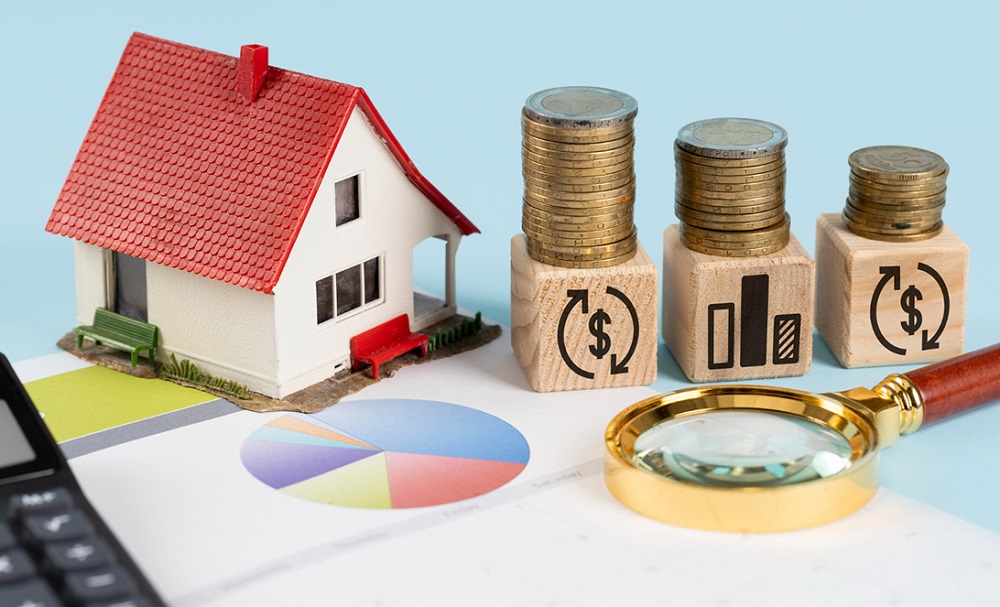
The modern real estate landscape has undergone a profound shift. Today’s home buyers are no longer evaluating properties solely by square footage, neighborhood school districts, or kitchen finishes. Instead, integrated residential technology has emerged as a primary factor driving buyer decisions. As automated systems transition from luxury amenities to expected household standards, smart homes are experiencing significantly higher market demand, faster resale velocity, and premium valuation advantages.
Intelligent automation transforms how residents interact with their living spaces. By blending convenience, energy management, security, and remote monitoring into a unified ecosystem, smart homes address core modern priorities. Understanding how these technological enhancements influence buyer psychology and property valuation reveals why tech-enabled homes consistently outperform traditional residences in the housing market.
Enhanced Energy Efficiency and Cost Reduction
Rising utility costs and heightened environmental awareness have made energy efficiency a top criteria for prospective buyers. Smart home technology addresses these concerns directly by reducing waste through automated climate and power management.
Intelligent Climate and Power Management
Traditional thermostats rely on static schedules that fail to adapt to unpredictable daily routines. Smart climate control devices solve this issue through learning algorithms and presence detection.
-
Automated Temperature Adjustments: Intelligent thermostats learn occupant schedules, adjusting temperatures down when the home is empty and pre-conditioning rooms before residents return.
-
Zoned Heating and Cooling: Smart dampers and motorized vents direct airflow only to occupied rooms, eliminating the energy waste of heating or cooling vacant spaces.
-
Load Shedding and Peak Optimization: Advanced energy management systems interface with local power grids to run energy-intensive appliances during off-peak rate hours, driving down monthly utility expenses.
Real-Time Energy Monitoring
Modern buyers value transparency in operational costs. Connected electrical panels and smart plugs allow homeowners to monitor real-time power consumption down to individual circuits and devices. Identifying energy-draining appliances enables proactive maintenance and habits that permanently reduce household overhead. Properties equipped with these systems offer buyers clear, verifiable lower operating costs, making them far more attractive than comparable homes with traditional electrical setups.
Superior Home Security and Remote Access Control
Personal safety and property protection are fundamental real estate drivers. Smart security systems go far beyond traditional burglar alarms, offering proactive monitoring, access management, and immediate situational awareness from anywhere in the world.
Integrated Surveillance and Perimeter Monitoring
High-definition smart cameras, video doorbells, and motion sensors provide comprehensive perimeter coverage without requiring expensive commercial monitoring contracts.
-
Real-Time Video Feeds: Homeowners receive instant alerts with live video streams when motion is detected near entry points, allowing immediate verification of visitors or delivery personnel.
-
AI-Powered Threat Detection: Modern camera algorithms distinguish between people, pets, vehicles, and blowing branches, eliminating false alarms and providing actionable alerts.
-
Cloud Archiving: Encrypted cloud footage ensures evidence is preserved off-site, giving buyers peace of mind regarding property safety.
Keyless Entry and Smart Locks
Physical keys represent a security vulnerability that buyers increasingly prefer to avoid. Smart locks offer keyless convenience paired with granular access control. Homeowners can generate temporary access codes for contractors, house cleaners, or guests, receiving notifications when codes are used and revoking access instantly when no longer needed. This seamless blend of security and convenience serves as a compelling selling point during home showings.
Lifestyle Convenience, Accessibility, and Automation
The modern lifestyle demands efficiency. Smart home automation streamlines tedious daily chores and routine tasks, returning valuable time to residents and creating an elevated living experience.
Centralized Control and Voice Integration
Managing a home’s environment once required adjusting individual switches, dials, and remotes across multiple rooms. Modern smart home ecosystems consolidate control into unified mobile interfaces and voice assistants.
-
Custom Scene Creation: Homeowners can trigger complex environmental changes with a single command. For example, an Evening Mode scene can dim interior lights, lock all exterior doors, lower window blinds, and set the thermostat to a sleep-friendly temperature simultaneously.
-
Hands-Free Operation: Voice activation provides accessible control for individuals preparing meals, carrying groceries, or living with mobility limitations.
Automated Lighting and Environmental Shading
Connected lighting systems combined with motorized window treatments do more than set a mood. Automated blinds lower during peak afternoon hours to reduce solar heat gain, protecting interior furnishings from ultraviolet degradation while assisting climate control systems. Circadian lighting setups adjust color temperature throughout the day, aligning indoor light with natural sunlight to support health and sleep cycles.
Long-Term Asset Protection and Environmental Monitoring
Property damage from water leaks, plumbing bursts, or electrical fires represents a major risk for homeowners and insurance carriers alike. Smart home technology provides proactive protection that safeguards property structures against catastrophic failures.
Automated Water Leak Prevention
Water damage is one of the most frequent and expensive residential insurance claims. Smart water management systems mitigate this threat entirely.
-
Sensors at Key Hazards: Compact water sensors placed near washing machines, water heaters, dishwashers, and under sinks detect moisture immediately upon contact.
-
Automatic Main Shut-off Valves: When a leak is detected, an automated valve closes the main water supply line within seconds, stopping active flooding even if the homeowner is thousands of miles away.
Environmental Hazard Detection
Smart smoke, carbon monoxide, and air quality detectors communicate wirelessly across the home. If a threat is detected in the basement, every unit across the house sounds an alarm, specifying the exact location and nature of the emergency. Simultaneous push notifications reach mobile devices immediately, allowing quick emergency response dispatch even when the property is vacant.
Insurance Incentives and Market Valuation Impact
The tangible risk reduction provided by smart home systems has reshaped how insurance providers and real estate appraisers evaluate property value.
Insurance Premium Discounts
Major home insurance carriers actively reward property owners who install verified smart safety devices. Automated water shut-off systems, monitored fire alarms, and smart security networks often qualify homes for policy discounts ranging from 5 to 20 percent on annual premiums. These savings directly offset the initial installation cost of smart technology while lowering the total cost of homeownership.
Higher Resale Value and Faster Sales Velocity
Appraisers and real estate professionals increasingly recognize integrated smart home infrastructure as a premium feature. Properties equipped with cohesive, non-proprietary smart technology consistently attract more showing requests, receive higher offer volumes, and spend fewer days on market compared to homes relying on outdated manual systems. Buyers perceive smart homes as modern, move-in ready, and well-maintained assets.
Frequently Asked Questions
Do smart home devices appeal to all age demographics of home buyers?
Yes, smart home technology appeals across generations, though different age groups value different features. Younger buyers prioritize voice integration, smart entertainment, and energy monitoring, while older buyers place high value on automated security, remote access control, and hands-free environmental adjustments that support aging in place.
Are smart home systems difficult for new owners to take over when buying a property?
When installed correctly using open, standard protocols, transfer of ownership is straightforward. Sellers simply perform factory resets on connected hubs and devices, allowing new buyers to register the hardware to their personal accounts and smartphones without rewiring or replacing equipment.
How do smart home systems affect a property’s overall appraisal value?
While individual smart gadgets like light bulbs do not add appraised value, built-in hardwired infrastructure—such as smart electrical panels, integrated security networks, automated irrigation, and smart HVAC control—increases a home’s effective age and condition rating, positively influencing the final appraisal value.
Will a smart home still function properly if the internet connection goes down?
Most high-quality smart home ecosystems are designed with local control fallbacks. Hardwired switches, smart door locks, and essential security features continue to operate manually or over local radio protocols during internet outages, though remote smartphone notifications and off-site monitoring require active internet connectivity.
How can homeowners protect their smart home systems from cybersecurity vulnerabilities?
Homeowners can secure their smart networks by placing IoT devices on a dedicated guest Wi-Fi network, using strong and unique passwords for all equipment hubs, enabling multi-factor authentication on control accounts, and keeping device firmware updated with the latest security patches.
Which smart home upgrade offers the highest return on investment for sellers?
Smart thermostats and video doorbells consistently deliver the highest return on investment. They are relatively inexpensive to install, immediately visible during home tours, easy for buyers to understand, and provide clear, immediate benefits in energy savings and security.
Are retrofitted smart devices as effective as hardwired systems built into new construction?
Retrofitted wireless smart devices are highly effective and offer excellent flexibility for existing homes. However, hardwired systems built during new construction offer superior network stability, eliminate the need for routine battery replacements, and integrate seamlessly into building walls without visible conduits or power adapters.
Comments are closed.