

Heating, ventilation, and air conditioning (HVAC) systems account for more than half of the energy consumption in a typical American home. As seasonal temperatures fluctuate between summer heat waves and winter freezes, keeping your home comfortable can quickly become a significant financial burden. However, running a high-performing climate control system does not require astronomical energy bills.
Maximizing HVAC efficiency is about optimizing how your equipment generates, distributes, and retains thermal energy. By implementing strategic maintenance, smart technology upgrades, and envelope sealing techniques, you can lower monthly utility expenses, extend the operational lifespan of your system, and maintain consistent comfort throughout the year.
Seasonal Maintenance Routines for Peak System Performance
Preventative maintenance is the cornerstone of energy efficiency. An neglected HVAC unit works substantially harder to push air through clogged filters, dirty coils, and mechanical bottlenecks, leading to premature wear and inflated power bills.
Air Filter Management
Replacing air filters is the single simplest yet most impactful task a homeowner can perform. Dirt and airborne debris clog filter fibers over time, restricting airflow and forcing the system’s blower motor to consume excess electricity.
-
Inspection Frequency: Inspect fiberglass or pleated filters every 30 days during heavy usage seasons like peak summer and winter.
-
Replacement Schedule: Replace standard 1-inch to 3-inch filters every 60 to 90 days. Homes with pets, residents with allergies, or high dust levels may require filter changes every 30 days.
-
Filter Rating Considerations: Choose filters with a Minimum Efficiency Reporting Value (MERV) rating between 8 and 11. Higher MERV ratings capture finer particles, but ratings above MERV 13 can overly restrict airflow in residential systems not engineered for high static pressure.
Professional Bi-Annual Tune-Ups
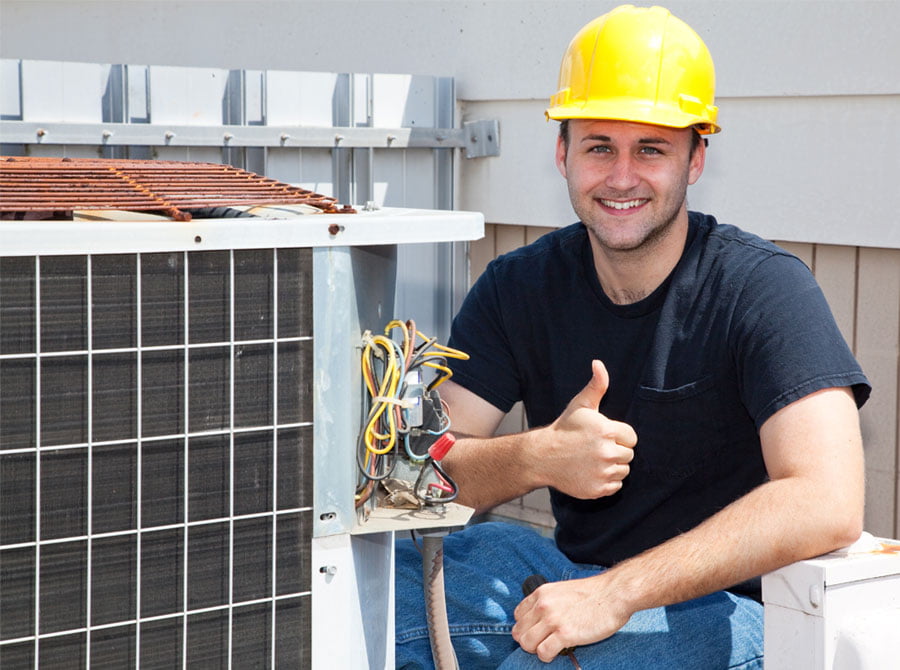
Schedule professional inspection services twice a year: a heating checkup in early fall and an air conditioning service in early spring. Experienced HVAC technicians perform essential deep maintenance checks:
-
Refrigerant Charge Verification: Incorrect refrigerant levels drop cooling capacity and strain the compressor, leading to potential system failure.
-
Coil Cleaning: Outdoor condenser coils accumulate outdoor dirt, grass clippings, and leaves, preventing heat from escaping efficiently. Indoor evaporator coils can develop frost or mold if dirt accumulates.
-
Electrical Inspection: Tightening electrical connections, inspecting capacitors, and measuring motor voltage prevents sudden breakdowns during extreme weather.
Smart Temperature Management and Thermostat Optimization
Managing your home’s indoor climate strategically reduces unnecessary system operation without sacrificing comfort while you are present.
Leveraging Smart and Programmable Thermostats
Upgrading from a manual dial or basic digital unit to a smart thermostat introduces intelligent scheduling and remote accessibility, driving automated energy savings.
-
Setback Schedules: Program your thermostat to automatically adjust temperatures by 7 to 10 degrees Fahrenheit when the home is unoccupied or when household members are sleeping. According to energy guidelines, this simple habit can yield up to 10 percent annual savings on heating and cooling costs.
-
Optimal Temperature Baselines: In summer, target an indoor baseline of 78 degrees Fahrenheit when at home. In winter, set the baseline to 68 degrees Fahrenheit during waking hours.
-
Learning Features: Modern smart thermostats monitor household occupancy patterns and local weather forecasts to fine-tune heating and cooling cycles dynamically.
Avoiding Temperature Spikes
Drastically dropping the thermostat to 60 degrees Fahrenheit will not cool a hot house faster. Air conditioners run at a fixed rate of cooling; setting an excessively low temperature simply forces the compressor to run longer, consuming extra power without increasing cooling speed.
Sealing and Insulating the Building Envelope
Even a perfectly tuned HVAC system will waste energy if warm air leaks out during winter or hot air infiltrates during summer. Addressing thermal leaks across your home’s exterior boundary keeps conditioned air inside.
Air Sealing Doors, Windows, and Penetrations
Unsealed gaps around exterior walls account for significant thermal loss, causing uncomfortable drafts and humidity fluctuations.
-
Weatherstripping and Caulking: Apply exterior-grade silicone caulk around window frames and install fresh weatherstripping along exterior door thresholds to block air infiltration.
-
Utility Penetrations: Seal openings around exterior plumbing pipes, gas lines, and electrical conduits using expanding foam insulation or heavy-duty outdoor sealant.
Attic Insulation Upgrades
Heat naturally rises toward the attic in winter and radiates downward through the ceiling in summer. Inadequate insulation forces your system to run continuously to combat extreme attic temperatures.
-
Checking R-Value: Ensure your attic insulation meets recommended regional guidelines, typically ranging between R-38 and R-60 depending on your climate zone.
-
Material Options: Adding blown-in cellulose or loose-fill fiberglass over existing batt insulation provides an effective, gap-free thermal barrier.
Optimizing Air Distribution and Ductwork Integrity
A well-conditioned home requires an efficient distribution network. Leaky or poorly configured ductwork drains performance before air ever reaches your living spaces.
Duct Sealing and Insulation
In homes with central forced-air systems, ductwork running through unconditioned spaces like attics, basements, or crawlspaces can lose 20 to 30 percent of conditioned air through loose joints, tears, or poor insulation.
-
Sealing Connections: Inspect exposed duct connections for air leaks. Seal seams securely using specialized mastic sealant or foil-backed tape. Standard cloth duct tape degrades quickly and should never be used for long-term duct sealing.
-
Insulating Unconditioned Runs: Wrap supply and return duct runs passing through unheated attics or crawlspaces with foil-faced fiberglass duct insulation to preserve air temperatures in transit.
Airflow Management and Vent Clearance
Obstructed vents disrupt system pressure balance, causing uneven temperatures and unnecessary strain on the blower motor.
-
Clear Supply and Return Registers: Keep all air registers, grilles, and return vents completely unobstructed by furniture, drapes, or area rugs.
-
Avoid Closing Vents in Unused Rooms: Closing supply vents in unused rooms increases static pressure inside central ductwork, which can lead to duct leaks, reduced system airflow, and heat exchanger cracking in furnaces. Keep at least 80 percent of registers fully open across the entire home.
Utilizing Passive Climate Control Strategies
Integrating passive home habits reduces the daily workload placed on your mechanical equipment.
Ceiling Fan Direction Adjustments
Ceiling fans do not cool or heat room air directly; rather, they move air across skin to create a wind-chill effect or redistribute trapped ceiling heat.
-
Summer Setting: Run ceiling fan blades counterclockwise at medium or high speed to push cool air downward, creating a breeze that makes room temperatures feel 4 degrees cooler. Remember to turn fans off when leaving the room.
-
Winter Setting: Reverse fan rotation to run clockwise at low speed. This draws cool air upward and gently pushes warm air trapped near the ceiling down along walls without creating a chilly breeze.
Managing Solar Heat Gain with Window Coverings
Solar energy entering through glass windows dramatically impacts indoor room temperatures.
-
Summer Protection: Close blinds, shades, or blackout curtains on south- and west-facing windows during peak daytime hours to block radiant solar heat.
-
Winter Warming: Open drapes on sunny south-facing windows during winter days to allow natural sunlight to warm living spaces, then close them at dusk to trap thermal energy indoors.
Frequently Asked Questions
How can I tell if my home central air conditioning unit is the wrong size?
An oversized unit turns on and off rapidly in short cycles, failing to properly dehumidify the air and causing noticeable temperature swings. An undersized unit runs continuously on hot days without ever reaching the desired setpoint on the thermostat, leading to high utility bills and excessive component wear.
What is the difference between variable-speed and single-stage HVAC systems?
Single-stage systems operate at 100 percent maximum capacity whenever they run. Variable-speed systems adjust their operating speed dynamically based on immediate cooling or heating needs, frequently running at lower, highly energy-efficient speeds for longer periods to deliver precise temperature control and superior humidity removal.
How often should home ductwork be professionally cleaned?
Ductwork generally requires professional cleaning every 3 to 5 years, or sooner if there is visible mold growth inside the ducts, evidence of rodent infestation, or excessive dust and debris blowing out of supply registers following recent home renovations.
Does turning off the HVAC system completely when leaving for work save money?
Turning the system off completely is usually inefficient because the unit must work at maximum capacity for hours to remove built-up heat and humidity upon your return, straining components. It is more cost-effective to adjust the thermostat setpoint up or down by 7 to 10 degrees using a programmable schedule.
Why is my heat pump blowing air that feels cool during the winter months?
Heat pumps deliver air at a lower, more gradual temperature (typically around 90 to 95 degrees Fahrenheit) compared to traditional gas furnaces, which discharge air at 120 degrees Fahrenheit or higher. Although this air feels cooler to human skin (which averages 98.6 degrees Fahrenheit), it effectively warms the home steadily and efficiently.
What causes condensation to build up on the outside of air ducts?
Duct condensation, often called duct sweating, occurs when warm, humid air comes into direct contact with the cold surface of uninsulated air ducts. Sealing air leaks around the ducts and applying adequate duct insulation stops humid air from touching cold metal, preventing condensation drip damage.
How long does a typical residential central HVAC system last before replacement?
With consistent preventative maintenance, a residential gas furnace generally lasts 15 to 20 years, while central air conditioners and outdoor heat pumps usually last between 12 and 15 years. Environmental factors, coastal salt air, and heavy usage can shorten these average lifespans.
Comments are closed.